Back to all resources
RESOURCE LIVE

See the whole orchestrator before you build it.

OpenClaw is the open-source Claude Code orchestrator. This is the real file tree, the hardware each agent count needs, the layer-by-layer build from bare metal to a working swarm, and the approval flows that keep a multi-agent stack from doing something expensive.

Raj Singh By Raj Singh · August 2026 · 9 min read
THE FILE TREEWhat the orchestrator actually looks like on disk
openclaw/ · tree
4 LAYERS · 12 AGENTS
orchestrator/ — Router, queue, watchdog. The only stateful part.
agents/ — 12 definitions. One file each, one job each.
mcp/ and guards/ — Shared servers, plus the approval rules above them.
The tree, not the diagram.12 agents · watchdog on
THE TELL

Every orchestration guide stops before the file tree.

  • Most agent orchestration content is architecture theory. Nobody shows what it looks like on disk, which is the only part you have to build.
  • You run Claude Code alone and it works. The moment you need three subagents coordinating, there is no obvious next step.
  • Nobody tells you what hardware this needs. You find out by watching your machine struggle at agent seven.
  • More agents means more ways to do something expensive without anyone approving it first.
WHAT'S INSIDE

Architecture, hardware, build order, guardrails.

  • 01
    The architecture
    Orchestrator, subagents, MCP layer, file tree and watchdogs, with the real directory structure rather than boxes and arrows.
  • 02
    Hardware sizing
    M2, M3 and M4 Max measured against 5, 10 and 20 parallel agents, with the number where each stops being comfortable.
  • 03
    Build order
    Bare metal to a first working swarm, layer by layer, so that each stage is verifiable before the next one goes on top.
  • 04
    Approval flows
    The guardrails that keep a multi-agent stack safe, including which actions always stop for a human regardless of which agent asked.
  • 05
    The watchdog
    What restarts a stuck agent, what escalates, and what should simply stop and wait for you.
BUILT FOR

You, if three coordinated agents is where you stalled.

If a single agent is comfortable and coordinating several is not, this is the missing layer. Read the architecture first, then build it in the given order over a weekend.

Why now Open-source orchestration only recently became worth adopting over rolling your own. The watchdog and approval patterns are the parts that took longest to get right, and they are the parts you would have had to learn by breaking things.

The payoff is that scale stops being frightening. Adding the thirteenth agent is a file, not an architecture decision, because the decisions were all made at layer one.

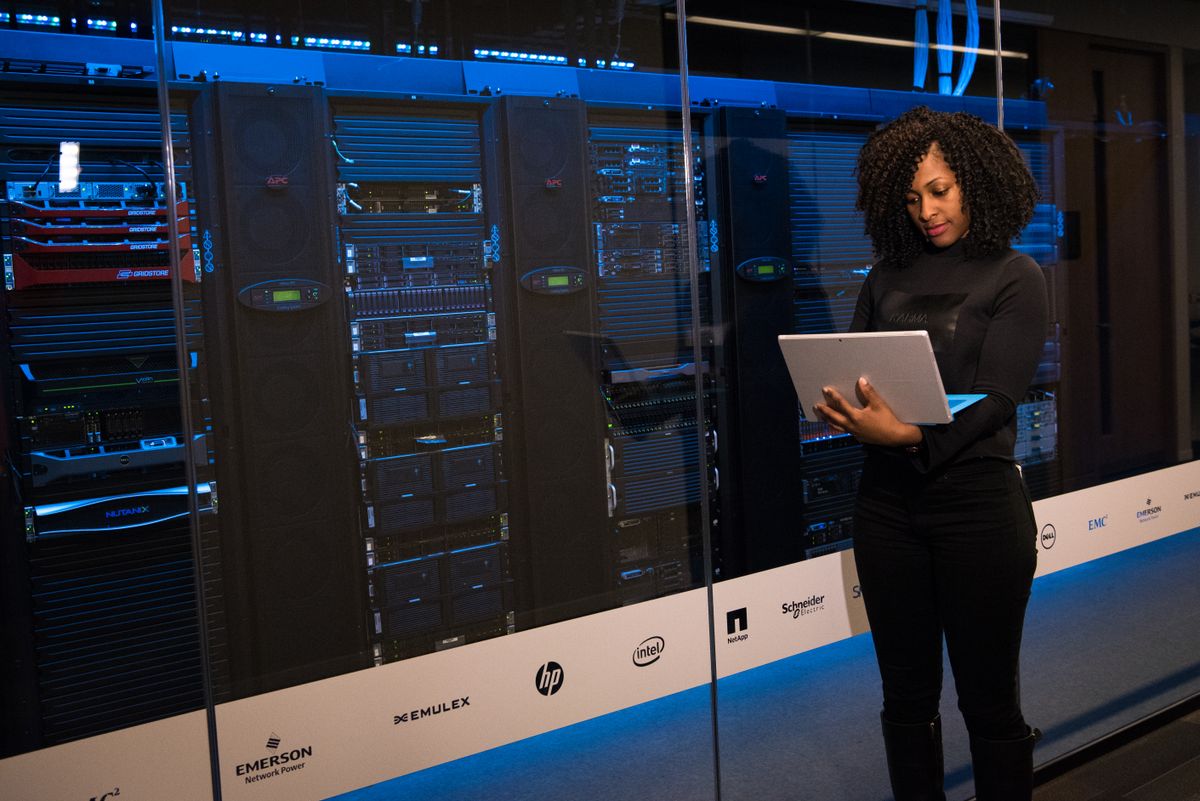
A female engineer using a laptop while monitoring data servers
Photo: Christina Morillo / Pexels
Get the resource

Drop your email, get the full tool.

One email. Instant access. No sequence, no upsell, no list-trap. I'll only ping you if I ship something that fits.

One email. No follow-up unless I ship something that fits.

The kit: the OpenClaw stack laid out as the actual file tree — orchestrator, subagents, MCP layer, and the watchdog that keeps a multi-agent build from silently going sideways.

  • architecture.md is the real directory structure — orchestrator, subagents, MCP layer, and where the file tree actually lives, not boxes and arrows.
  • hardware-sizing.md measures M2, M3 and M4 Max against 5, 10 and 20 parallel agents, with the number where each stops being comfortable.
  • build-order.md goes bare metal to a first working swarm, layer by layer, so each stage is verifiable before the next one goes on top.
  • approval-flows.md is the guardrails that keep the stack safe, including which actions always stop for a human regardless of which agent asked.
  • Apple Silicon Mac — M2 or later recommended for 5+ parallel agents
  • Claude Code or the Claude Agent SDK, plus an MCP server for the orchestrator layer
  • Comfort reading a directory structure — this is a build guide, not a theory doc
  • An afternoon for the first working swarm. The watchdog and approval flows come after it's running

↑ Unlocks the moment you submit the form above.

RS
WRITTEN BY

Raj Singh

I'm Raj Singh, founder of DebtOps.ai and a Claude certified partner. Over the last five years I've managed $25M in ads, built AI solutions for Fortune 100 companies, and installed AI operating systems and AI brains inside small businesses. Everything here is something I've shipped, debugged, or watched a client ship. My goal with AgileSingh is to make you irreplaceable in this AI age.

$25M
Ads managed · 5 yrs
F100
Enterprise AI builds
Claude
Certified partner
18
Guides shipped
More guides

Now feed it the servers and the memory.

The orchestrator is the skeleton. The MCP guides supply the tools, GBrain supplies the shared memory, and the swarm guide covers the isolation underneath. Browse the library, or pin a slot and I will build it with you.